



Loading blog posts…
Nationwide delivery in just 1-3 days.

If you haven’t made time lately to take your canine companion to a local dog park, you’re both missing out on some serious fun! In this episode of Pet Talk, Dr. Sarah’s on location at the Spring Canyon Dog Park in Fort Collins, CO. With the help of her Goldendoodle co-star, Alma, Dr. Sarah will share the code of proper dog-park conduct, for both canines and humans, to ensure maximum fun for everyone. Learning about companion animal etiquette has never been so much fun!
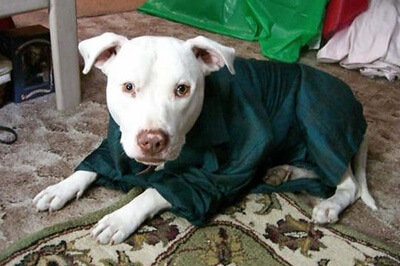
The Dr. Jane’s HealthyPetNet Foundation is pleased to announce one of its latest grant recipients, the Forte Animal Rescue (FAR). FAR well represents the noble spirit of small rescues which are short on financial backing but full of hope and strong in the belief they can affect positive change in the lives of their rescued animals.
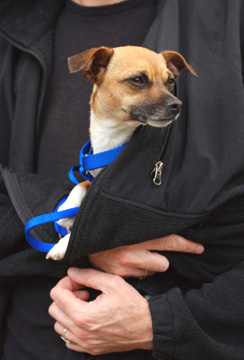
According to the American Kennel Club, the number of pet kids reported stolen is rising. In fact, the selling of abducted companion animals has become so common that a new phrase has been coined: pet-kidnapping.
Upon receipt of a new rescue, their animals are almost immediately placed in a foster home. In fact, both Maria and her brother Shawn foster dogs in their own homes, while overseeing and coordinating a network of volunteer foster pet parents. None of their rescues spend time in cages or kennels, which helps to soothe the rattled nerves of relocation.
If some of your best friends have been dogs, you’ve probably noticed that they can be particularly attuned to your moods. This perceptiveness may have less to do with mind-reading than face-reading. That’s right! Dogs naturally observe facial cues for information. But how do they develop this skill? Born of instinct to read other dog’s expressions, can they really adapt to accurately read the expressions of humans? Even though this enigmatic mystery has confounded canine behaviorists for decades, Dr. Sarah devotes this episode of Pet Talk to reveal the latest developments in this area, demonstrating how you can use facial cues to improve your interspecies communication.
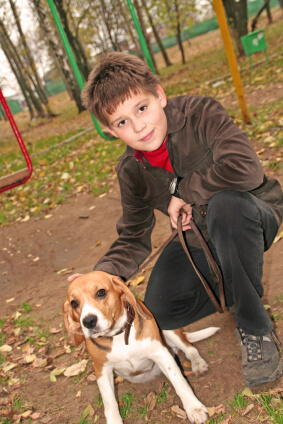
Founded in late 2004, Community Sharing is a non-profit outreach agency that serves food and provides support to hundreds of families and their companion animals. While they do not rescue pets directly, they save them every day. Community Sharing provides food, veterinary care and pet supplies, allowing families in financial straights to keep their companion animals at home, where they belong, keeping families together.
Socialization is vital to raising a well-adjusted, calm and happy dog. And there’s no better time to start socializing your dog than when he or she is a puppy. In this episode of Pet Talk, Dr. Sarah’s joined by a very special guest who will help demonstrate the ins-and-outs of early canine socialization. Learn what to expect at certain periods of development, what to avoid when teaching puppies and the importance of positive reinforcement. In this video, Dr. Sarah shares valuable tips that can help your puppy grow up with the social skills needed over a lifetime.
BEFORE THE GROOMING SESSION
It’s one of those terms that not everyone is familiar with, but once you’ve witnessed “palliative care” in the case of a loved one, you’ll never forget it. According to the World Health Organization, palliative care is a medical approach that improves the quality of life of patients and their families facing complications associated with life-threatening illness, often through the prevention and relief of suffering by treatment of pain and other problems. These treatments are offered regardless of whether or not there is any hope of a cure by any means.