



Loading blog posts…
Nationwide delivery in just 1-3 days.

Tree and lights on display? Check.

The season of giving is upon us once again. Many of us will be spending time with family and friends, and probably doing a bit of frantic last-minute shopping. Although the holidays are a blur of such activities, it’s also the time of year many of us pause to reflect on our own lives, and consider the impact we’ve had on the lives of others.

This holiday season, we’re pleased to bring you good tidings of yet another financial award given by The Dr. Jane Foundation. This month’s featured grant recipient is a committed group of canine rescuers in South Alabama.
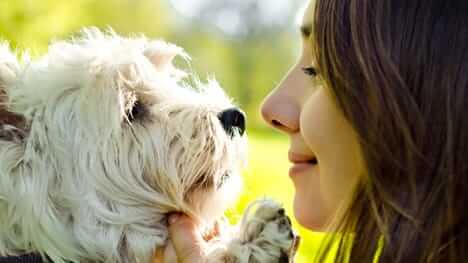
Dogs are scent-oriented creatures, with some of the most highly developed noses on the planet. Hide a few treats around the room and see how quickly they’re ferreted out. But does your dog’s schnoz have more practical applications than we realize? The answer … well, it couldn’t be plainer than the nose on your face.
As we gear up to celebrate Thanksgiving and the coming winter holidays, the polar invasion is taking hold of much of the country and plunging temperatures. Just because Mother Nature is throwing around her frigid weight doesn't mean that outdoor excitement with your canine must come to an end. With a little preparation, the right equipment and a helping of common sense, you and your dog can stay active while hiking and exploring during the cold weather months. In this episode of Pet Talk, Dr. Sarah and her trusty sidekick Alma show you how to remain safe while trekking through winter wilderness areas … especially in places where hunters might be present. With loads of great tips, Pet Talk will help make your outdoor adventures an arctic blast!

We’re pleased to bring you news of yet another financial award given by The Dr. Jane Foundation, this time to a dedicated group of Boxer rescuers in Florida.
Happy Halloween! If you’re like many pet parents, you love celebrating howlidays with your companion animals. No matter how you get your All Hallows’ Eve groove on, it’s always a good idea to take some precautions to ensure that your pet kid stays purrfectly safe.

Animal hoarding is not just a complicated psychological disorder, it’s a public health danger.Dogs and cats aren’t the only species ‘collected’ … reptiles, rabbits, birds, rodents, even farm animals may be accumulated by hoarders.
Charitable work is central to our mission of well-being for all. It’s so important to us that every order placed on our site aids homeless animals.